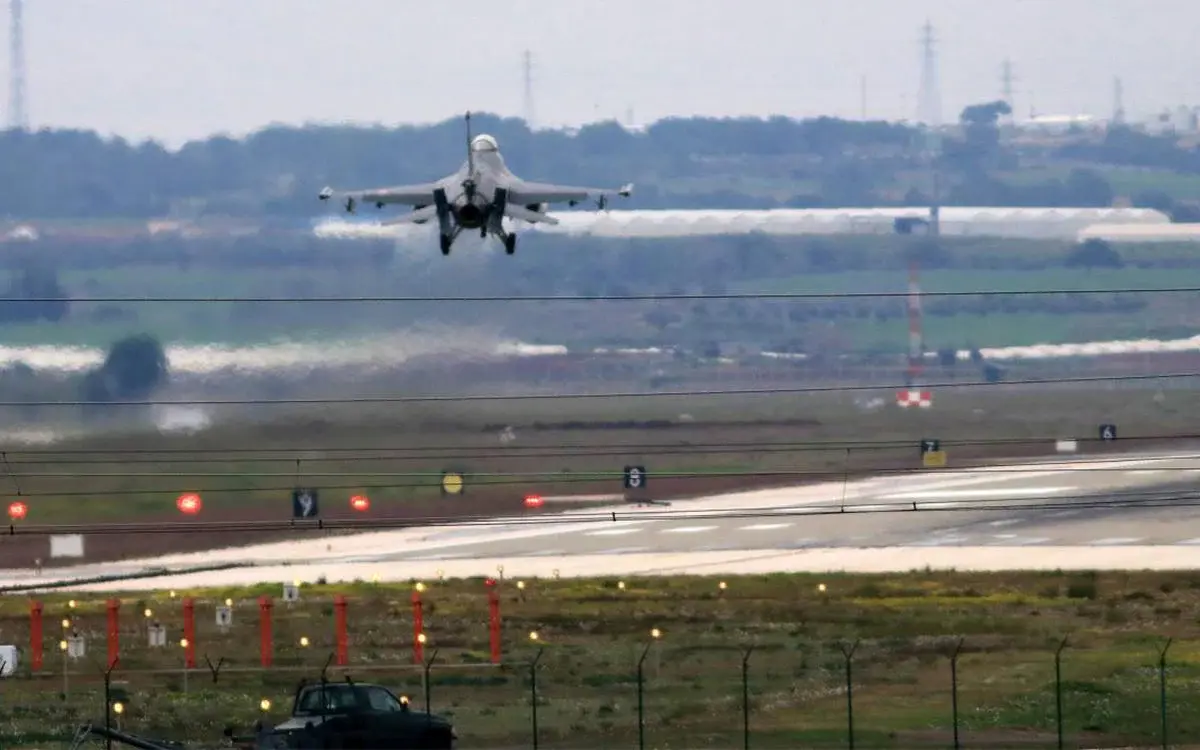




At Turkey’s request, NATO is preparing to establish a multinational corps, a military headquarters hosting troops from several member states, in Adana as part of the NATO southern regional defense plan. The plan covers the Mediterranean, the South Caucasus, the Black Sea and North Africa.
Turkey already hosts significant NATO infrastructure, including a NATO radar base in Malatya, the NATO Allied Land Command in Izmir, and bases in Kürecik and Incirlik (which is also in Adana). Turkey is currently among the top five NATO contributors in operations and missions among the 32 member states and boasts the second largest military in the group, only after the United States.
Little is known about the new NATO multinational corps (MNC-TUR) yet, including the size or the number of troops it will hold.
Dr. Mehmet Ali Tuğtan, an international relations professor at Bilgi University, believes MNC-TUR is simply the latest in a long line of deep collaboration between the US and Turkey that has existed since the Cold War. It is not representative of any major shifts in Turkey’s relationship with the US or the West more broadly.
He said the establishment of MNC-TUR reaffirms Turkey’s usefulness to the US due to its geographical position and military capabilities.
Tuğtan also said this is part of a broader long-term readjustment in NATO after US President Donald Trump demanded partners contribute more to the alliance. This led Allies to pledge five percent of their gross domestic product (GDP) annually on core defense requirements and security-related spending by 2035.
“NATO is trying to be a more robust, combat-ready and, more importantly, more deterrent force posture, this is what they’re trying to achieve,” he said.
“Whenever they [the West] need a powerful, dependable, regional ally, they look at the map, they look at the charts, they look at the figures, and they realize there is no one else but Turkey," he said.
Tuğtan said the West has been “in trouble” since Russia’s war on Ukraine and believes the new multicorp is partially about combatting Russian influence. He stressed that it is not a reaction to the US-Israel war on Iran. Turkey has been planning for the MNC-TUR since 2023, years before the current Iran war.
“Since the end of the Cold War in early 1990s, there had been no external threat against NATO so this is the first time NATO countries feel that they are actually threatened by a conventional military actor,” Tuğtan said.
Writer and international relations analyst Aydın Sezer, though, does not believe this development relates to Russia. He said that if this were the case then a Black Sea city would have been chosen for the multicorps instead of Adana.
Russian concerns over Montreux treaty
He also does believe Russia will be concerned about the development.
“Russia is not concerned about Turkey or the NATO bases in Turkey,” he said. Russia is currently focused more on developments in Eastern Europe and the Baltic states.”
The Kremlin released a mild statement expressing some concern over the new MNC-TUR development. Russia said that it “attaches great importance” to the 1936 Montreux Convention and encouraged Turkey to take a “balanced and responsible approach” regarding the management of the straits.
The Montreux Convention regulates maritime traffic over the Bosporus and Dardanelles straits and grants Turkey control over the matter. The convention guarantees the free passage of civilian ships and during peace times allows the free passage of military vessels from all nations. In times of war, if the war does not involve Turkey, non-warring states’ ships can still pass. Ships of states at war cannot pass through the straits unless they are returning to their home base.
Both Tuğtan and Sezer said that MNC-TUR constitutes no threat to the Montreux Convention.
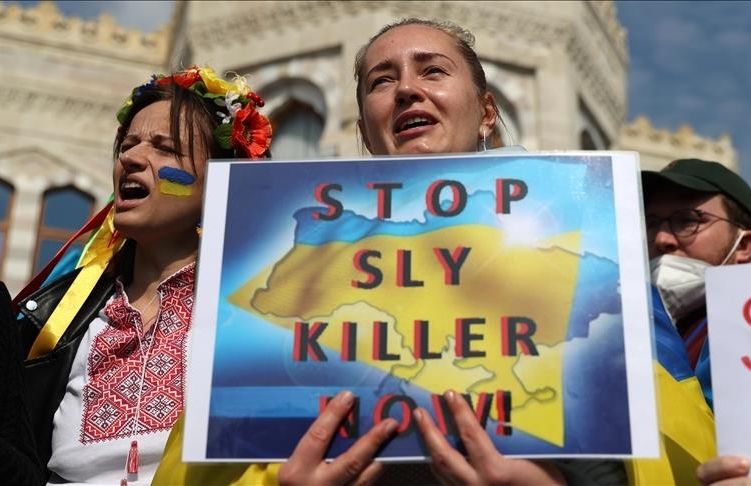
ANTI-WAR PROTESTS CONTINUE
Turkey calls invasion of Ukraine a 'war,' says will implement Montreux Convention
Despite believing that Russian influence was a motivator in NATO increasing its “deterrent force posture,” Tuğtan does not believe that MNC-TUR will create any strain on the Turkey-Russia relationship. Tuğtan explained that Turkey still maintained good relationships with both Russia and Ukraine since the start of the Russia-Ukraine war. Turkey is also one of the few NATO members that maintains a working relationship with Russia in political, military and economic terms, even buying Russian S-400 missile systems.
This strategic cooperation makes it unlikely that there would be any conflict between the two because both nations benefit well from their relationship with each other.
Russia is even building the Akkuyu Nuclear power Plant in Mersin province, he added.
The establishment of MNC-TUR has not created any point of conflict between the ruling Justice and Development Party (AKP) and its main opposition the Republican Peoples’ Party (CHP). The main tensions between the parties do not involve differences on foreign military entanglements, Tuğtan said.
However, CHP members have expressed some concerns about the lack of transparency in the base’s planning.
MNC-TUR remained unknown by the public until discovered by a news reporter at Cumhuriyet from a now-deleted Linkedin post by an employee at the Ministry of Defense. The employee had “NATO MNC-TUR” written on their profile heading. Despite not initially confirming the plans, the Ministry of Defense later held a press conference confirming MNC-TUR was in progress.
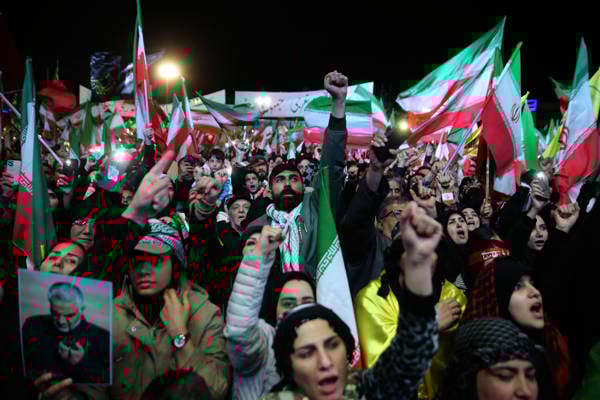
Opposition to the new base largely comes from left-wing parties, opposition groups and students — who took the streets on April 4th to protest NATO’s presence in Turkey across several major Turkish cities, including Ankara, İstanbul, İzmir, Adana, Malatya, and Eskişehir.
Tuğtan also said that the establishment of MNC-TUR puts to rest a growing talking point in Israeli and US media that “Turkey is the new Iran.” MNC-TUR demonstrates that despite political rhetoric and regional rivalries, Turkey is still deeply intertwined in the Western camp, and the US greatly benefits from the relationship.
“Turkey has been a NATO member for a very long time; it is an important and powerful member of NATO,” said Sezer. “Therefore, developments in relations should not be perceived as something new.” (İK/VK)